
Recently added
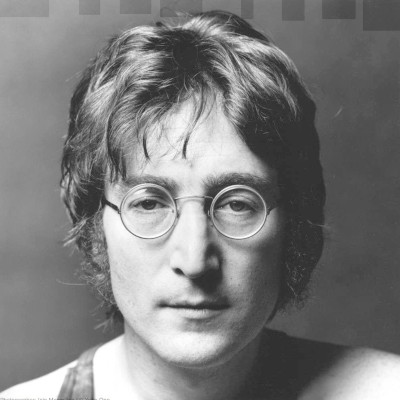
Mordents and turns are common embellishments for Lennon [...].
— Walter Everett, The Beatles as Musicians, Vol. 1 (2001), p. 72
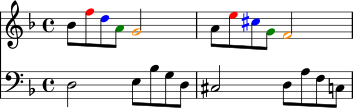
Many Beatles songs written by John Lennon contain mordents in the vocal melody: a note briefly ornamented by an adjacent scale degree before returning to the original note. He often places them near the ends of phrases where they're followed by a downward resolution to the tonic.


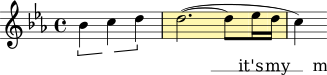
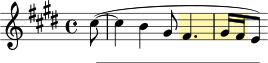



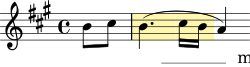

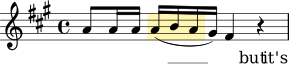


These ornaments are common in many styles of music, but they distinguish Lennon from his bandmates Paul McCartney and George Harrison, who use them much less often. Lennon himself uses them most in his R&B-inspired songs from the early '60s.
There are also conspicuous vocal mordents in "Do You Want To Know A Secret," which was sung by Harrison but written by Lennon.
References in later music
The Beach Boys
It was clear that the Beach Boys were listening to the Beatles in 1964; [...] [Brian] Wilson adopted Lennon's mordent in such songs as "Don't Worry Baby" and "You're So Good To Me."
— Walter Everett, The Beatles as Musicians, Vol. 1 (2001), p. 276


Where am I?
SongPatterns.com is an encyclopedia of
- the musicological devices that contribute to the distinctive sounds of various artists, genres, and time periodsStyle marker

Taylor Swift often ends vocal phrases by singing 3̂, dropping to 7̂, then rising to 1̂.

All Too Well (2012) 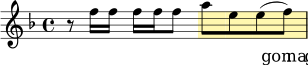
Blank Space (2014) 
Miss Americana and the Heartbreak Prince (2019) 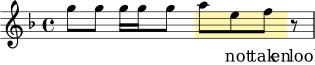
'tis the damn season (2020) 
Karma (2022) 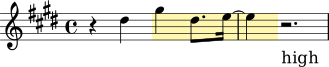
But Daddy I Love Him (2024) 
I Can Do It With a Broken Heart (2024) 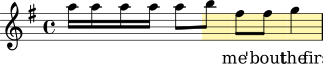
So High School (2024) - the elements that songwriters draw from preexisting songsConnection

Why?
- to enrich your listening
- to empower your writing
- to promote awareness of the nature, prevalence, and legitimacy of musical borrowing
[...] the production and perception of music—like language—relies on knowledge that is not easily articulated and, to some extent, unconscious. Anyone who can speak and understand English has some kind of knowledge of the rules of English grammar, but few such people are able to state exactly what those rules are. Similarly, [...] creators and listeners of rock music have knowledge about the norms and regularities of rock, but largely at an unconscious level. In large part, my goal [...] is to articulate this tacit knowledge, to uncover the mental processes and representations involved in musical creation and perception.
— David Temperley, The Musical Language of Rock
What has been will be again, what has been done will be done again; there is nothing new under the sun.
— Ecclesiastes 1:9